
Mosquitoes
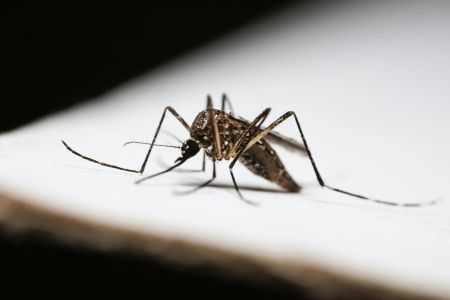
Mosquitoes are insects that are found almost everywhere in the world. Only female mosquitoes bite, because they need the protein from blood for reproduction.
They are considered a nuisance by most people, but they play an important role in our ecosystem as pollinators and a food source. Practicing simple personal and household protection measures allows us to live with mosquitoes and reduce the risk of disease and nuisance.
On this page: Mosquito monitoring / Reduce mosquitoes at home / Protect your health
Mosquito monitoring
We monitor and trap mosquitoes across the region to protect our community’s health and control the spread of mosquito-borne diseases.
Our surveillance and trapping usually occur between November and April. Trap locations are based on risk and advice from SA Health.
Reduce mosquitoes at home
The most important thing you can do to reduce mosquito numbers around your home is to check for potential breeding sites on your property. Mosquitoes can breed in standing water – fresh, salty or stagnant.
Tips for your home:
- Cover rainwater and septic tank openings with wire mesh no coarser than 1mm.
- Stock fish ponds and dams with small native fish to eat any "wrigglers".
- Keep swimming pools disinfected and empty wading pools at the end of the day.
- Clean up and dispose of rubbish such as tyres, bottles and jars.
- Keep roof gutters in good repair and remove any leaves or debris that may form pools of water.
- Overturn boats or canoes or remove the drain plug so they do not hold water after rain.
- Fill or drain depressions in the ground, and maintain drains so that water can flow away.
- Empty stock troughs, bird baths and pets drinking water at least once a week.
- Empty pot plant drip trays once a week or fill with sand.
- Follow rainwater tank guidance.
Protect your health and fight the bite
Mosquitoes attack at any time of day, and are more active during summer when people are spending time outdoors.
Mosquitoes can spread serious diseases when they bite.
Protect yourself and your family:
- Wear loose-fitting, light-colored clothing that covers as much of the body as possible.
- Use an insect repellent containing DEET (diethyl toluamide), or picaridin, on uncovered skin. Caution: always read and follow the instructions on the label, and avoid using on babies and toddlers!
- Make sure all windows and openings of houses, boats, caravans and tents are fitted with fine (1mm) insect screens.
- Cover sleep and rest areas with mosquito nets.
- Try not to go outside when there are lots of mosquitoes around. Some mosquitoes will bite during the day, but many are at their peak 2 to 3 hours around sunrise and sunset.
Contact us
If you have any questions about mosquitoes near you, contact SA Health, or contact us and ask to speak to our Environmental Health Officer.
Last updated 28 October 2025